

Unicode / Custom CRM systems
Restaurant CRM for Reservations and Guest Relationships
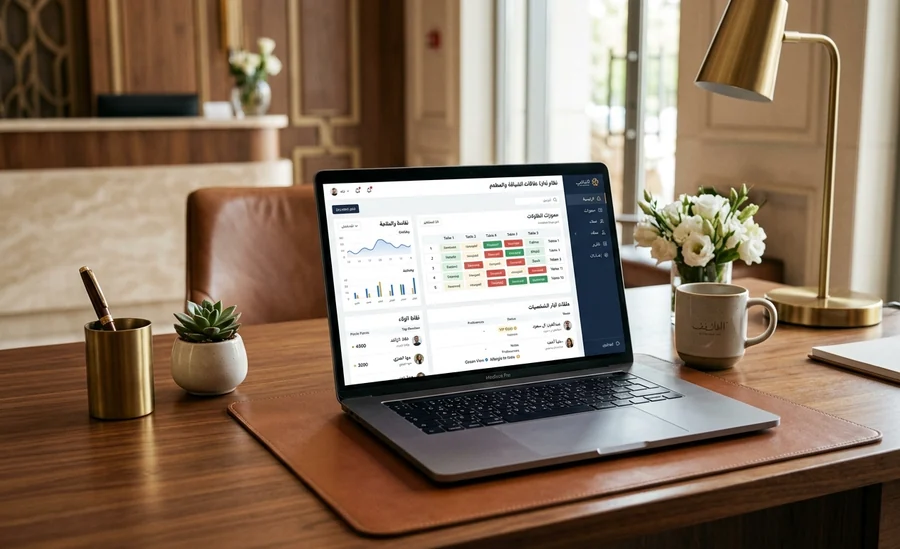
A restaurant CRM is most useful when it helps the team deliver a consistent guest experience. We connect reservation requests, visit history and appropriate preferences to practical front-of-house workflows. The design must make information easy to use during service without collecting more personal data than necessary.
The business context
When is restaurant CRM worth considering?
Technology helps only when it removes a real bottleneck. We start by documenting the current journey, the information each person needs and the points where work is delayed or repeated. These are the common issues to test during discovery:
- Reservations arrive through phone, social and website channels.
- Guest requests may not reach the team working the relevant shift.
- Follow-up and loyalty activity is difficult to coordinate across locations.
Not every issue needs custom software. If an existing tool can solve the problem with a simpler configuration, we include that option in the recommendation.
A restaurant CRM should support the relationship between reservations, visits, preferences and feedback without overwhelming front-of-house staff. We identify which guest details are useful and appropriate to record, then design a quick way to recognise repeat visits and resolve service issues. For groups or events, the team needs clear ownership of enquiries, deposits and changes. We test busy-service scenarios before choosing screens or automations. Access rules should protect guest information, and any loyalty or message programme should use a documented consent process. A focused first release can improve continuity across shifts. In the technical review, we use OWASP authorization guidance as a reference when discussing role-based access and safer handling of customer records.
Possible project scope
What the first release could include
The right scope depends on your users, existing tools and delivery constraints. We use the following capabilities as a discussion framework, not as a promise that every project needs them all:
- Reservation intake and confirmation stages.
- Guest profiles with carefully chosen preferences and consent controls.
- Location and shift access rules for front-of-house teams.
- Reports on reservation demand, cancellations and communication.
We document data ownership, integrations, approvals, content responsibilities and acceptance criteria before development starts. That makes trade-offs visible and gives the team a clearer basis for estimating time and cost.
Decisions that matter
Questions to settle before a proposal
- Which booking system is already in use?
- Which guest information is genuinely useful and appropriate to retain?
Clear answers here prevent a polished interface from hiding an incomplete operating model. We can help work through these decisions in an initial discovery session.
A practical delivery path
- Discover: review audiences, workflows, data and existing systems.
- Define: agree the first-release scope, content, responsibilities and success measures.
- Design and build: test the important journeys, implement approved integrations and review progress in stages.
- Launch and improve: check usability, performance, handover and the next iteration after real use.
Each stage ends with a visible decision or deliverable, so the project can be adjusted before avoidable work accumulates.
Frequently asked questions
Questions about restaurant CRM
Can it connect to online reservations?
We assess your booking platform and available API before confirming an integration.
Can it manage several branches?
Yes, with agreed branch permissions, shared guest rules and central reporting.
Need a more specific answer? Share your current workflow, target users and required systems. We will explain what can be confirmed immediately and what needs technical discovery.
Next step
Turn the idea into a clear project brief
Tell us who the product serves, what is not working today and which systems it must connect to. We can help separate launch essentials from later enhancements and identify the assumptions that need validation.