
Unicode / Website and platform development
Corporate Website Design for Companies and Institutions
Corporate website design should make a complex organisation easier to understand. We clarify the audience for each section, the evidence that supports your positioning and the action each visitor should take. The result is a content structure that serves customers, partners and prospective employees without making them follow the same journey.
The business context
When is corporate website design worth considering?
Technology helps only when it removes a real bottleneck. We start by documenting the current journey, the information each person needs and the points where work is delayed or repeated. These are the common issues to test during discovery:
- Services are described internally rather than in the language customers use.
- Company information is spread across files with no clear owner.
- The website has many pages but few useful routes to an enquiry.
Not every issue needs custom software. If an existing tool can solve the problem with a simpler configuration, we include that option in the recommendation.
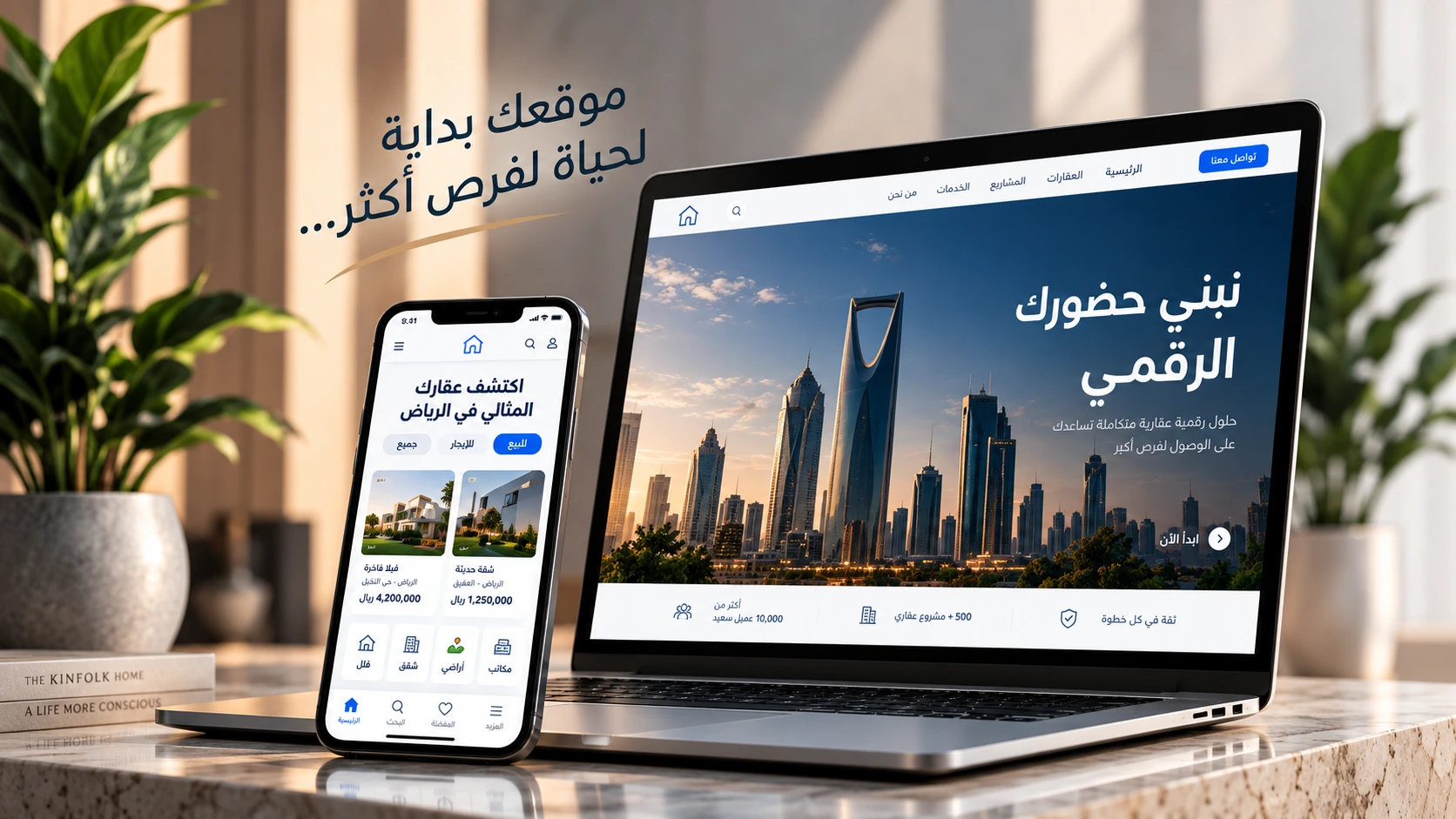
Corporate website design works best when audiences can find the right service, proof and next step without decoding internal department names. We map decision-makers, partners, recruits and existing customers separately, then agree what each group must see. The content plan covers ownership of service descriptions, case studies, policies and contact routes. If the organisation serves several markets, language versions need locally useful details rather than a literal translation. We test a small set of priority journeys before expanding templates. Navigation, headings, contrast and form labels should remain accessible as teams add new content later. In the technical review, we use W3C accessibility introduction as a reference when discussing inclusive navigation and usable interaction patterns.
Possible project scope
What the first release could include
The right scope depends on your users, existing tools and delivery constraints. We use the following capabilities as a discussion framework, not as a promise that every project needs them all:
- Information architecture for services, sectors, company and resources.
- Page templates that keep different teams visually consistent.
- Contact and enquiry journeys matched to visitor intent.
- Governance for bilingual content, accessibility and technical SEO.
We document data ownership, integrations, approvals, content responsibilities and acceptance criteria before development starts. That makes trade-offs visible and gives the team a clearer basis for estimating time and cost.
Decisions that matter
Questions to settle before a proposal
- Who approves content and keeps it current after launch?
- Which proof points, accreditations or case studies can be published?
Clear answers here prevent a polished interface from hiding an incomplete operating model. We can help work through these decisions in an initial discovery session.
A practical delivery path
- Discover: review audiences, workflows, data and existing systems.
- Define: agree the first-release scope, content, responsibilities and success measures.
- Design and build: test the important journeys, implement approved integrations and review progress in stages.
- Launch and improve: check usability, performance, handover and the next iteration after real use.
Each stage ends with a visible decision or deliverable, so the project can be adjusted before avoidable work accumulates.
Frequently asked questions
Questions about corporate website design
Can we keep our existing brand?
Yes. We work from your approved identity and only recommend changes where usability requires them.
Can we launch in two languages?
Yes. We plan both versions as editorial products with language-specific navigation and metadata.
Need a more specific answer? Share your current workflow, target users and required systems. We will explain what can be confirmed immediately and what needs technical discovery.
Next step
Turn the idea into a clear project brief
Tell us who the product serves, what is not working today and which systems it must connect to. We can help separate launch essentials from later enhancements and identify the assumptions that need validation.